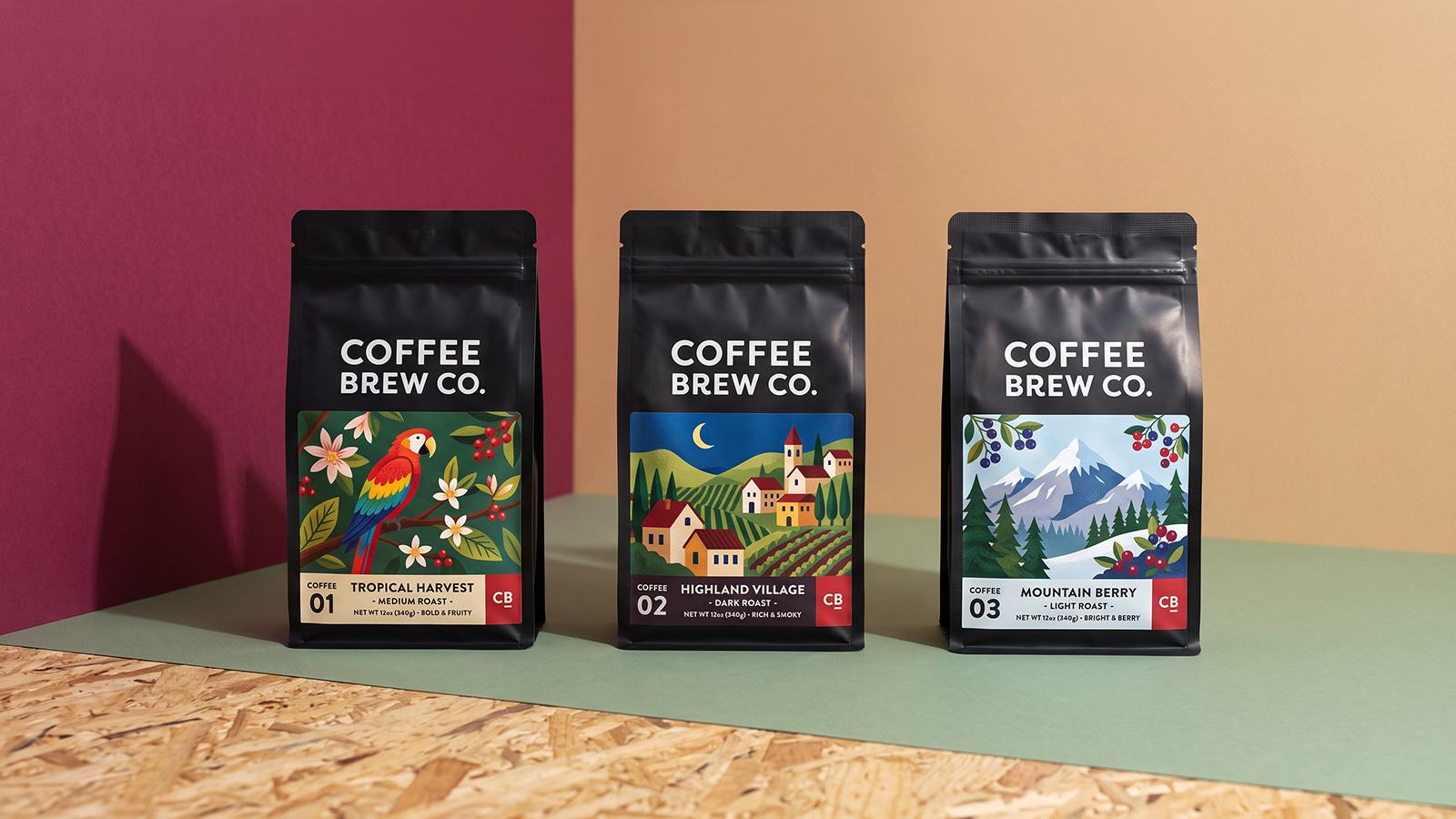
Brew Coffee
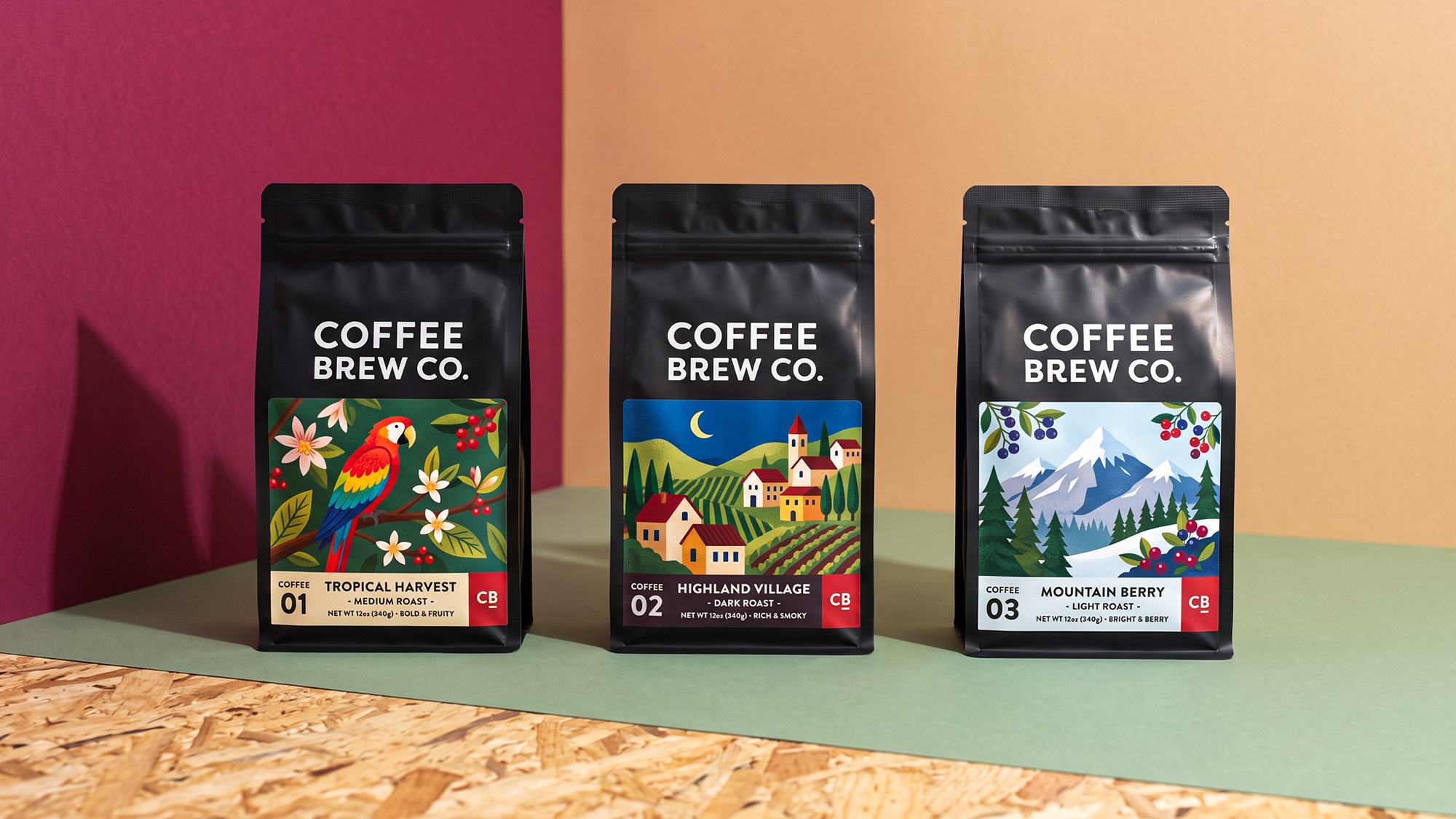
Rebranding. It looked good, but you couldn't tell what it offered. I rewrote the brand and its messaging so the service lands in the first line.
Brand Refresh
Branding · Brand strategy
Our brand renewal program stops that decline. We identify what still connects with your audience, remove what doesn't, and evolve your brand to win back its distinction and appeal.
Brand consulting for midsize companies across Latin America and the United States.
What it solves
Who it's for
When customers can't see a difference, they decide on price. And every discount you concede teaches your market what you're worth. Branding isn't how you look. It's the reason someone pays more and doesn't argue.
Six things I hear on the first call. They all describe the same underlying problem.
Every deal needs a discount because the customer sees nothing that justifies paying more.
Volume grows, margin doesn't. What you gained in units you gave back in price.
There's no official version of why you're different, so everyone improvises their own.
Younger competitors dominate attention, even when your product is better.
You grew, changed, added lines of business. Your brand still describes what you were.
You know you're worth more. You have no way to prove it in a sales conversation.
Six brand strategy and identity components. They adapt to your situation: you take what you need.
Find out why they choose you, why they don't, and who you really compete against.
Own a place in your customer's mind your competitors can't claim.
Turn your difference into a story your team tells the same way and your customer repeats.
Speak differently to each audience without saying different things.
Visual and verbal redesign, only if your current identity can't hold the new positioning.
The brand reaches where your customer decides: your site, proposals, sales conversations.
How we work
Interviews, competitive analysis, and an honest recommendation on what you actually need.
Positioning, narrative, and messaging architecture, validated with your sales team.
Visual and verbal system, only if the current identity can't hold the new position.
Site, proposals, and sales materials. Plus a team trained to hold the brand.
A selection. Every one started the same way: understanding why customers chose them before touching anything.
Rebranding. It looked good, but you couldn't tell what it offered. I rewrote the brand and its messaging so the service lands in the first line.
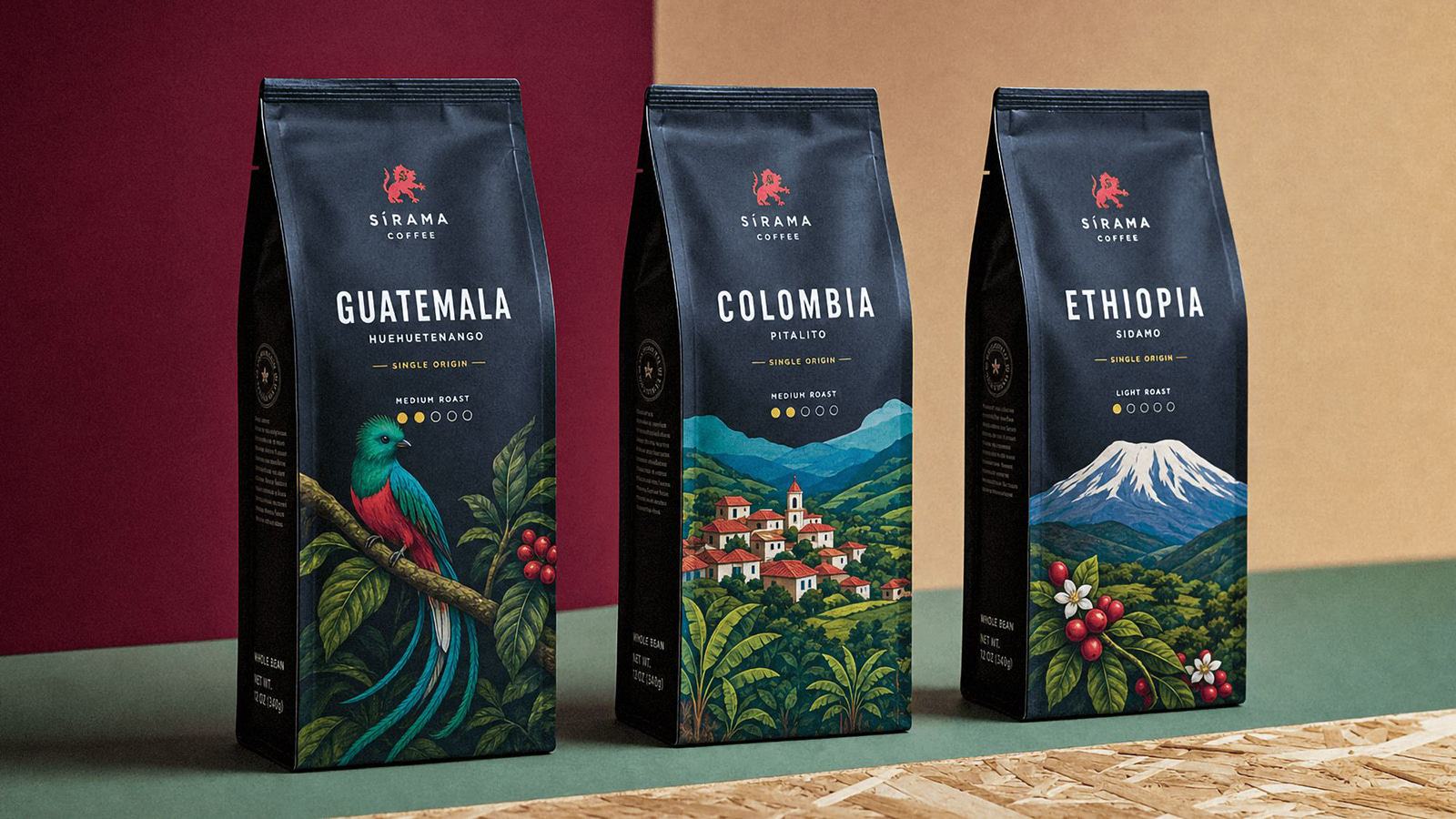
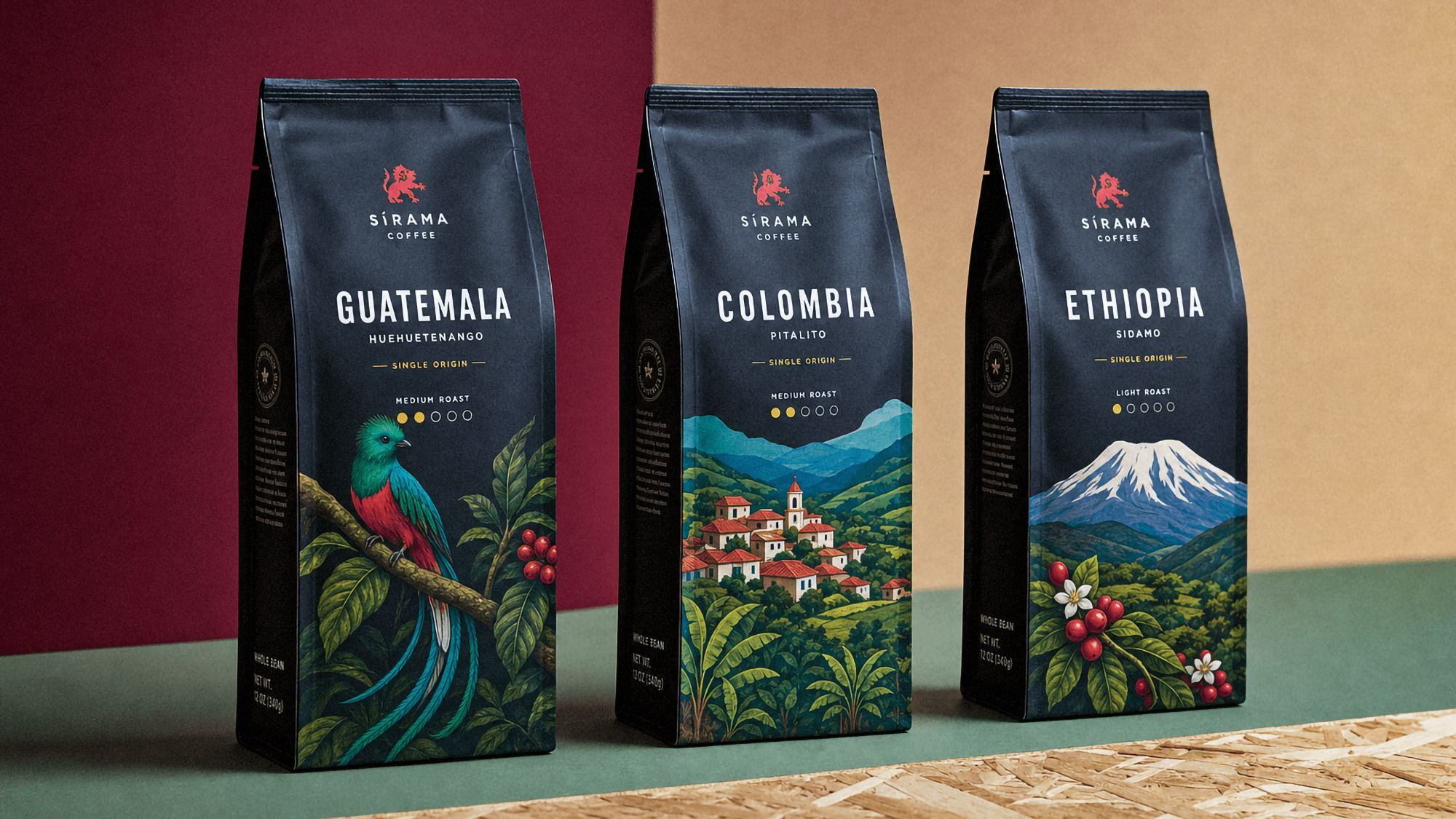
Costa Rican coffee, founded in 1999. I built its brand from scratch for the U.S. market: from competing on origin to competing on preference.
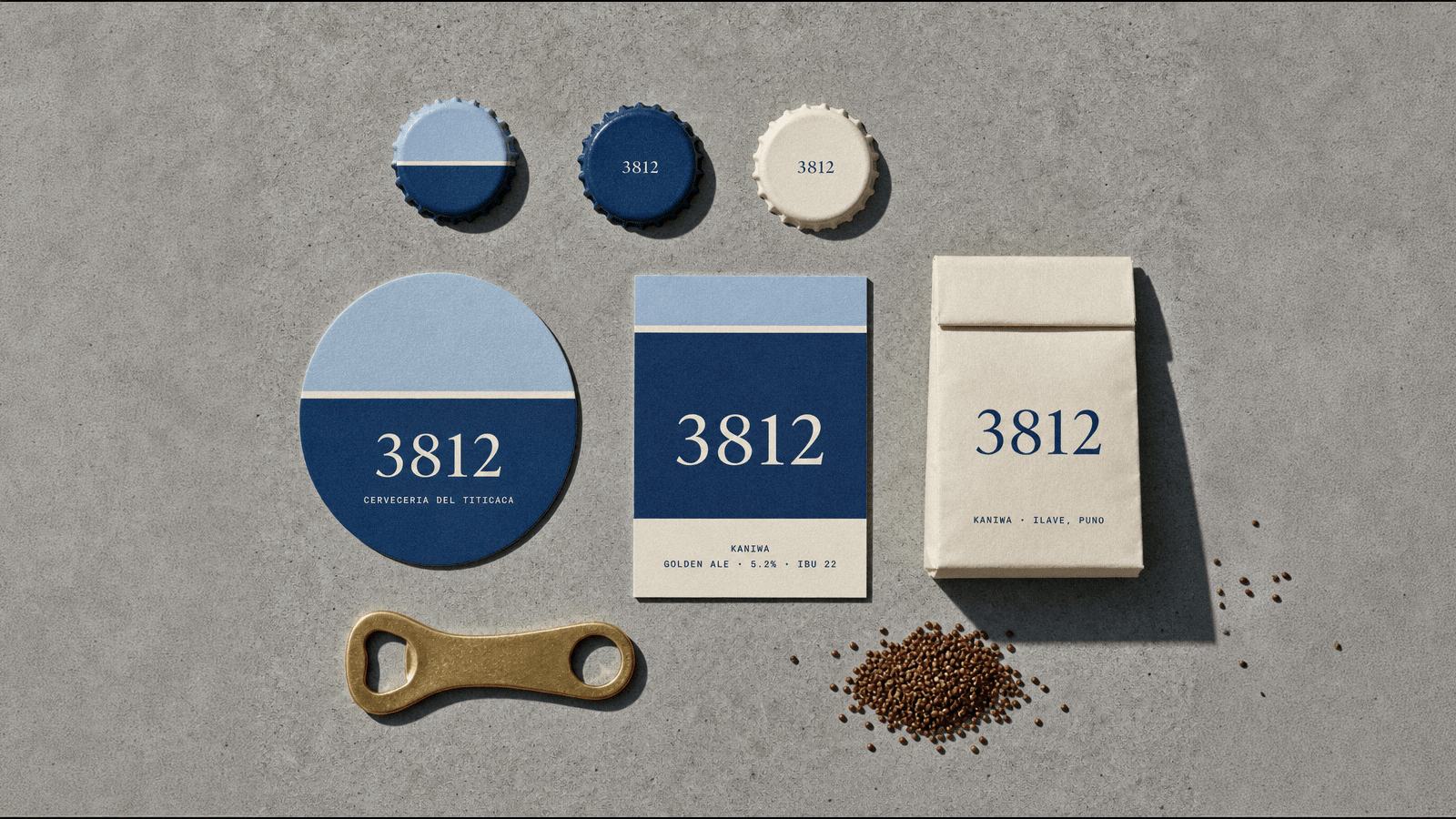
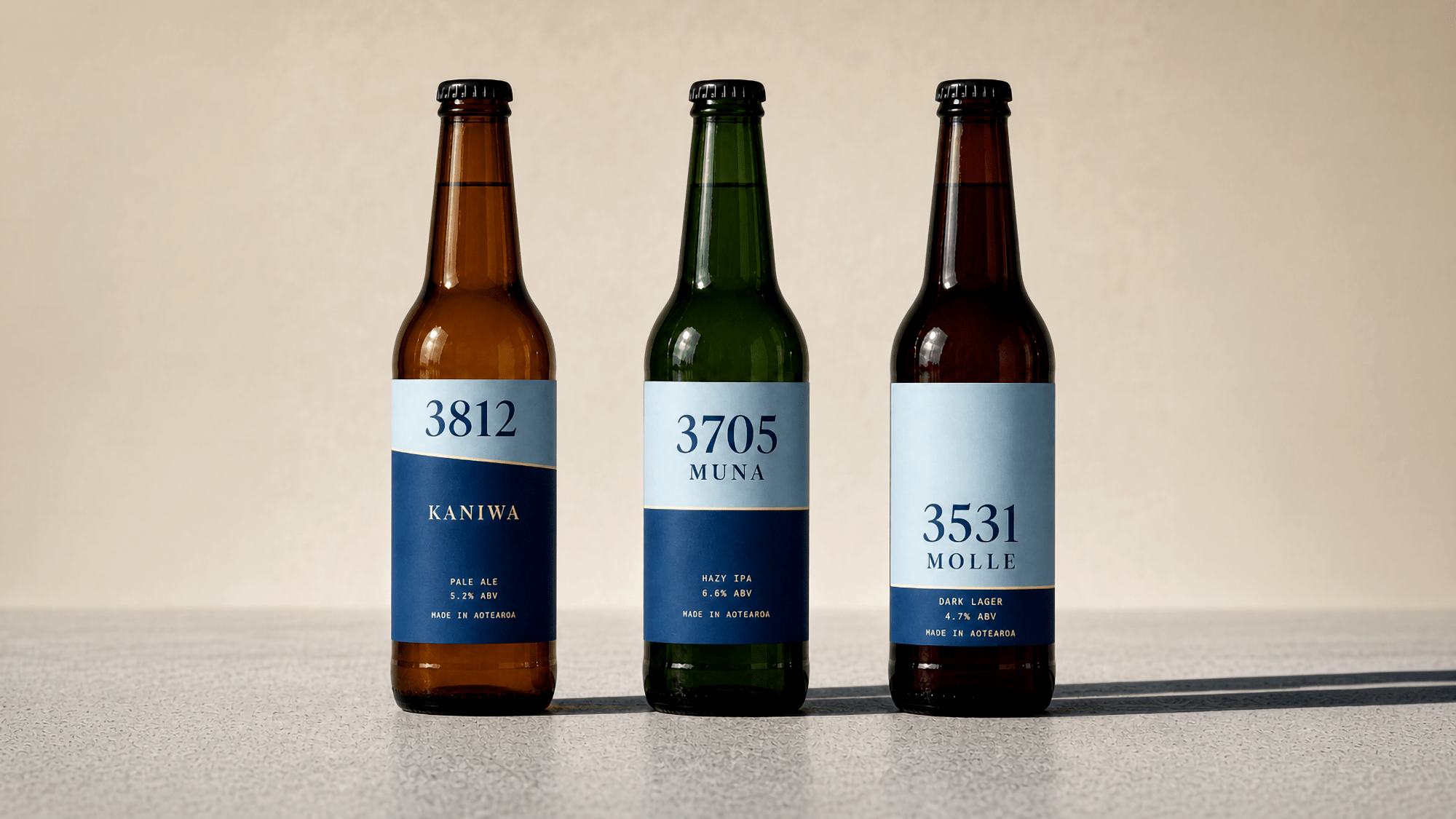
Titicaca brewery. Everyone competed on Andean ingredients; I found the difference in altitude: at 3,812 m water boils at 87 °C.
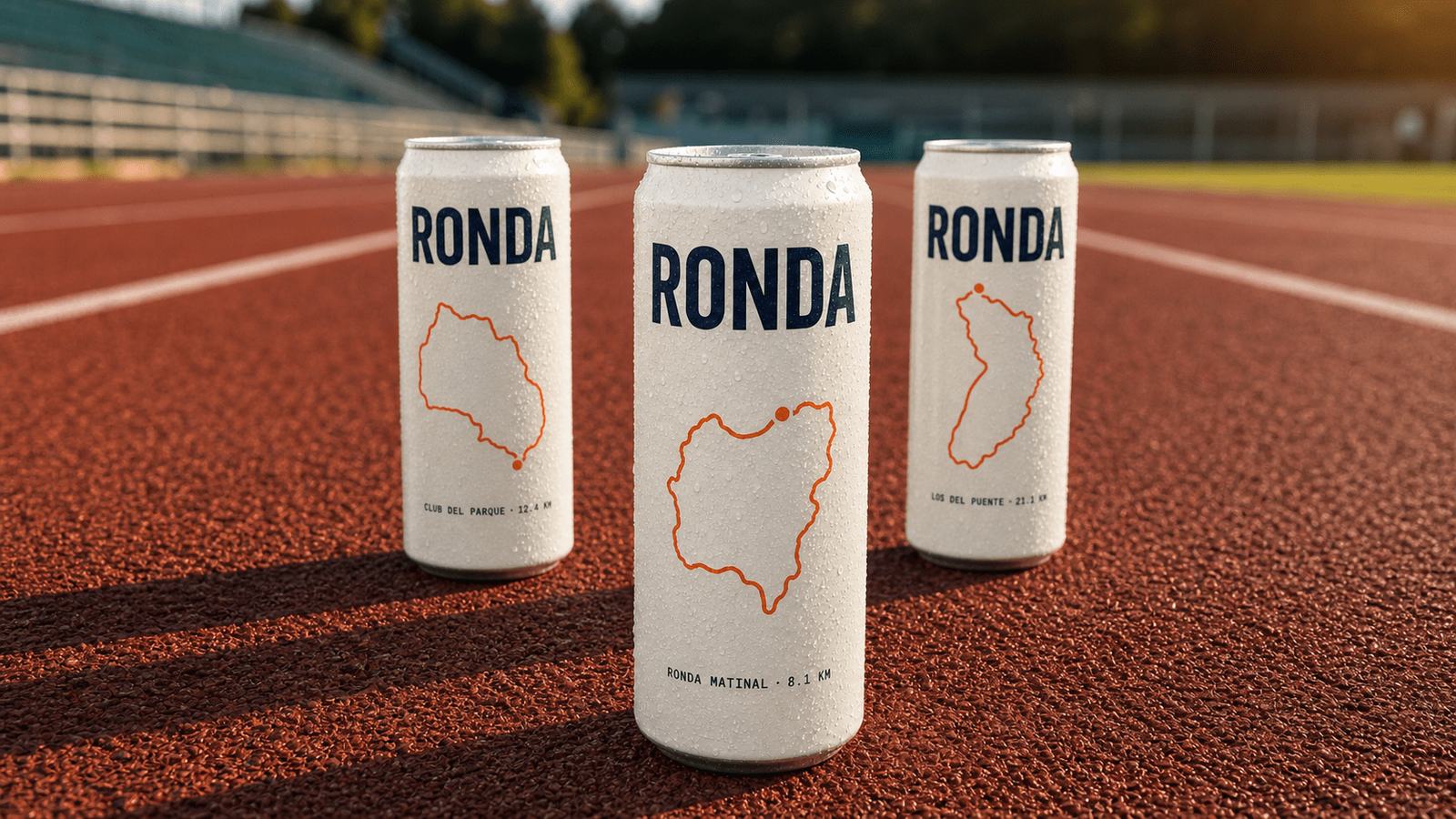
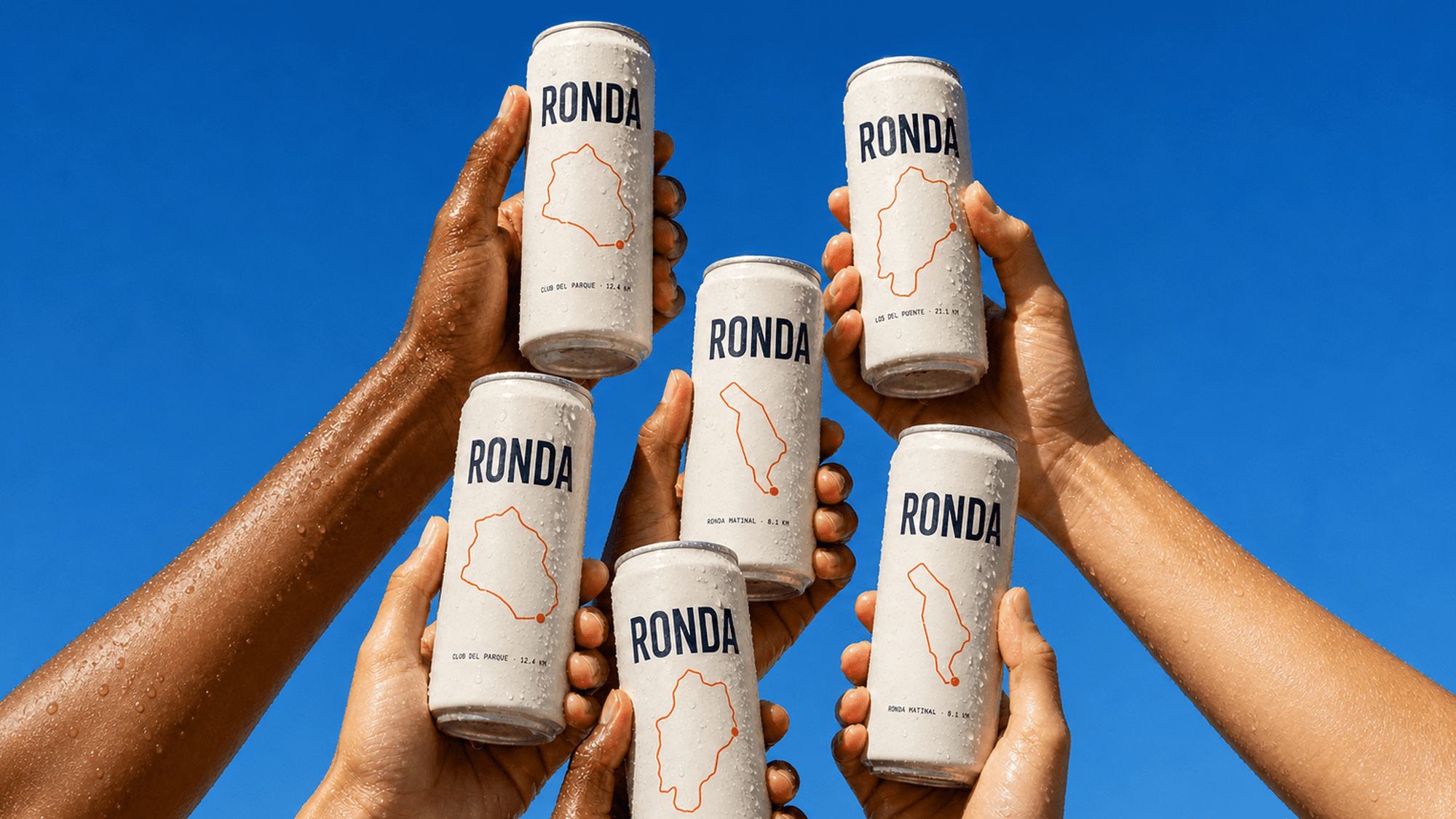
0.0 beer for running clubs. Five competitors fought over the body; I positioned the brand on the social side: the toast at the finish.
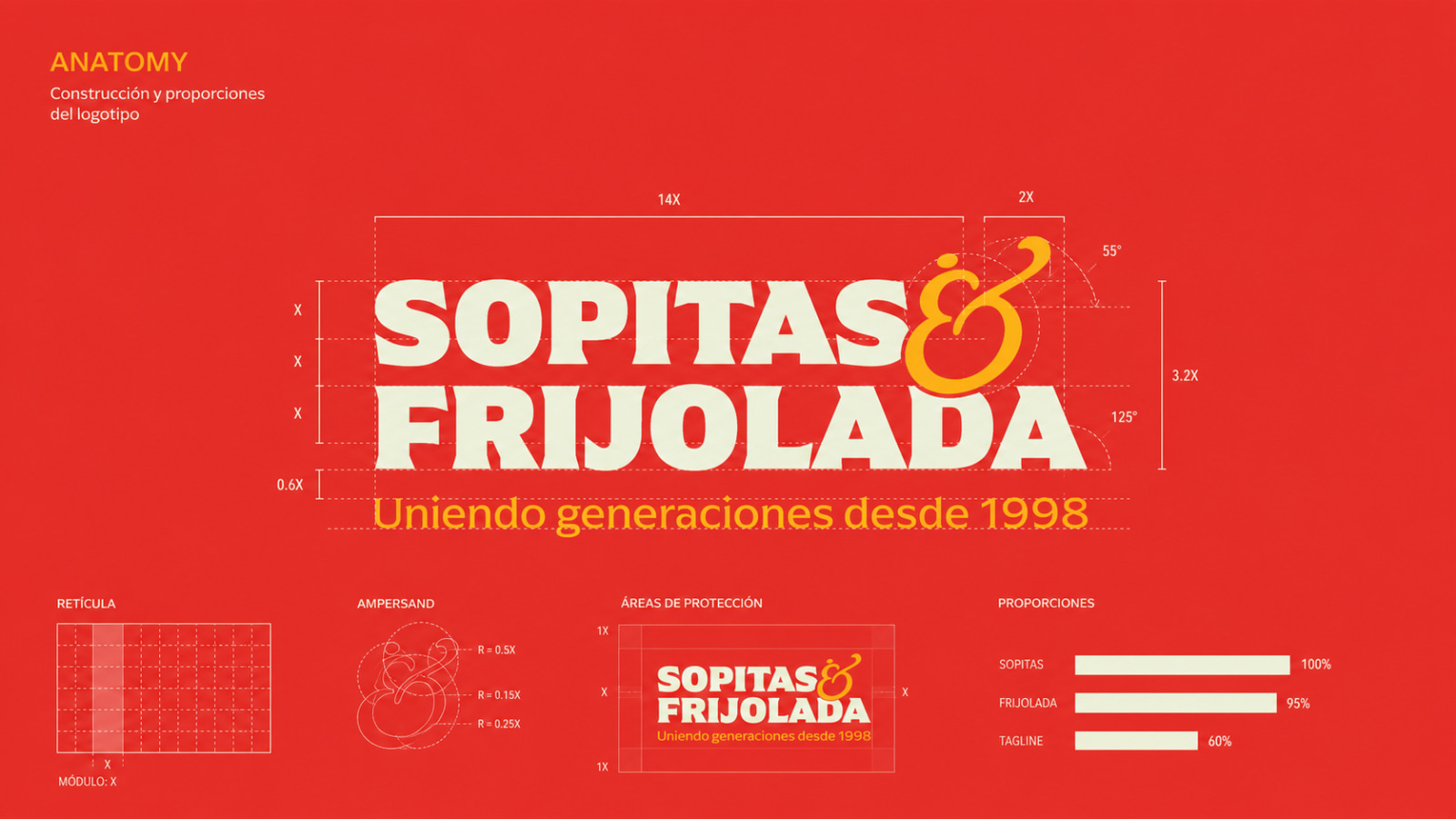
A restaurant 25 years in the market. A brand refresh for the anniversary: modernising the look without erasing what regulars already recognised.
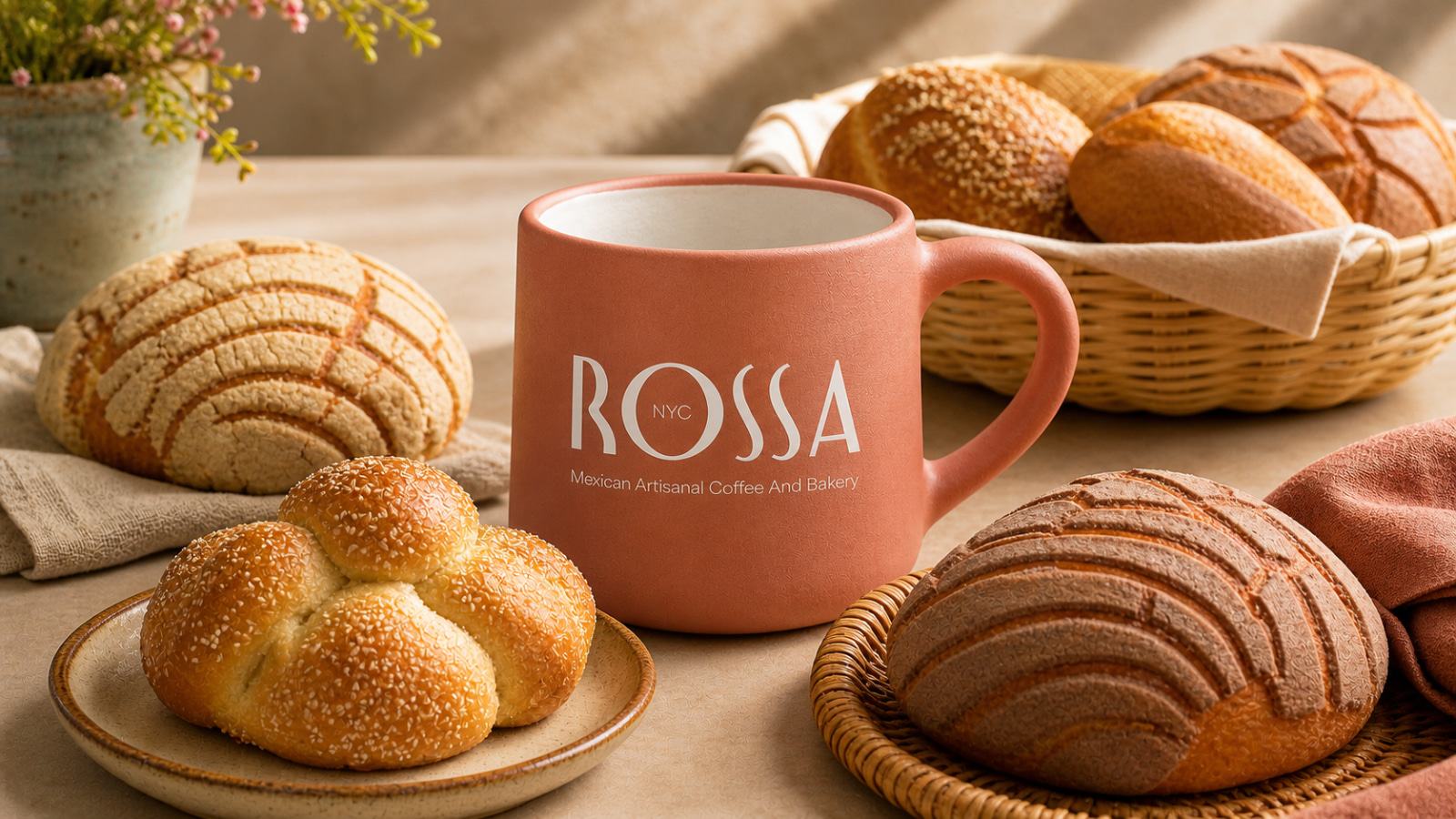
A Mexican coffee house in midtown New York. The brand doesn't translate Mexico for outsiders or dress it as folklore: it frames it as a bridge between two cities.
Some projects are under NDA and aren't shown here. If you'd like to see a case close to yours, ask me on the call and I'll walk you through it.
You stop justifying it. The conversation moves from “why do you cost more?” to “when do we start?”, and the discount stops being your only closing argument.
Everyone tells the same story. A new salesperson learns to explain the company in weeks, not months, and stops improvising their own version.
You get compared to fewer people. When you own a place competitors can’t claim, you drop off the list of three interchangeable suppliers.
None of this happens the day the brand is approved. It happens when your sales team uses it. That’s why the program ends in your proposals and your website, not in a manual filed away in a folder.
No one should commit to a full rebrand without knowing whether the problem is the one they think it is. Two weeks, fixed price, and an honest recommendation at the end.
We analyze your competitive position, interview your sales team, and review how customers buy from you today.
A document with the brand diagnosis, the recommendation and, if it applies, a proposal for the full program.
Fixed price. If you move on to the full program, it's credited against the proposal.
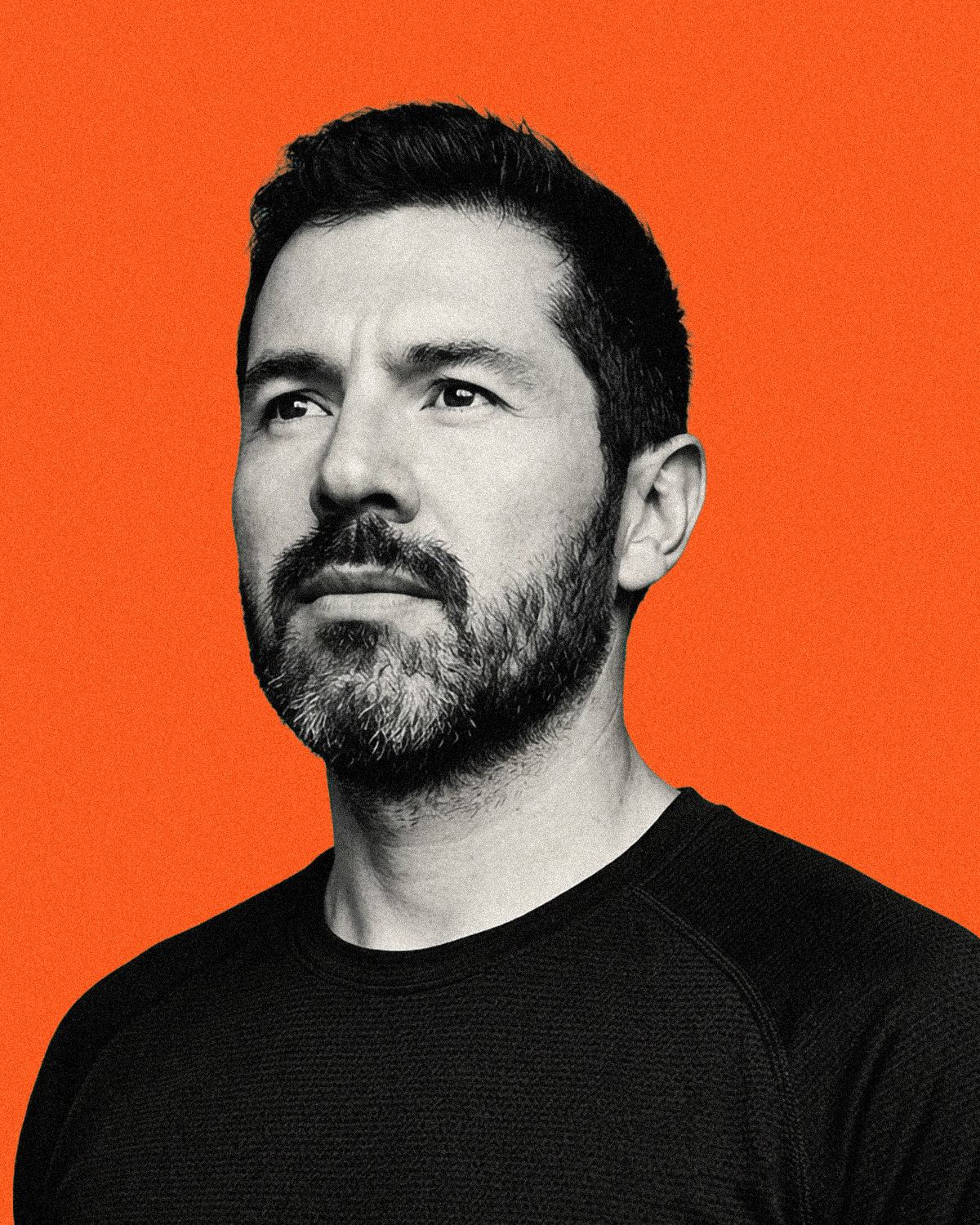
I've spent more than ten years building and positioning brands. I started in identity and ended up in strategy, because the brief I kept getting, “we need to refresh the look”, was almost never the problem that needed solving.
I work with midsize companies because that's where brand strategy still changes the business result, not just the perception. A company this size can decide to change position and execute it the same year. In a large corporation that same decision takes three, and arrives diluted.
My work starts in sales conversations, not on a moodboard. Before I propose a position I talk to the people who sell, the people who buy and, above all, the ones who left for a competitor. That's usually where the answer is: in the sentence your customer uses to explain why they chose you, and that nobody inside your company is using.
I don't believe in rebrands that start with the logo. The logo is the consequence, not the cause. When the position is right, the identity almost writes itself; when it isn't, no amount of design will save it. That's why the visual redesign is optional in my program: it only comes in if your current identity contradicts what we've just decided.
I work in Spanish and English, across Latin America and the United States. My own name is half Germanic and half Hispanic; I grew up translating between two ways of seeing things. That turns out to be much of the work for a brand that crosses borders: not translating words, but translating why something matters.
I'm not a large agency and I don't pretend to be. You work with me, not with a junior team the brief got handed to. When a project needs more hands (design, web, production), I build the team, I direct it, and I'm still the one who answers.
What almost everyone asks on the first call.
No. The logo is the last 5% of the work, and often it doesn't need to change at all. What I solve is why someone chooses you and pays more: position, narrative, and messaging. Visual identity only comes in if the current one contradicts the new position.
The diagnostic is two weeks. The full program depends on how many components you need and how fast your team decides.
Yes. I work across Latin America and the United States, in Spanish and English, remotely, with on-site visits at the moments that earn them: interviews, positioning workshops, and the leadership presentation.
Access to whoever sells and whoever decides. For the diagnostic that's about 6–8 forty-five-minute interviews plus the sales materials you already use. Nothing else.
I tell you, and that's where it ends. It happens: sometimes the problem is product, price, or sales process, not brand. I'd rather lose a large project than sell something that won't move your result.
Fixed price per project, never hourly. You know the total before we start and it doesn't move unless scope moves.
30 minutes. We'll review your brand's position and I'll tell you whether this applies, or whether your problem is something else.
Book the 30 minutesOr reach me on WhatsApp or at